

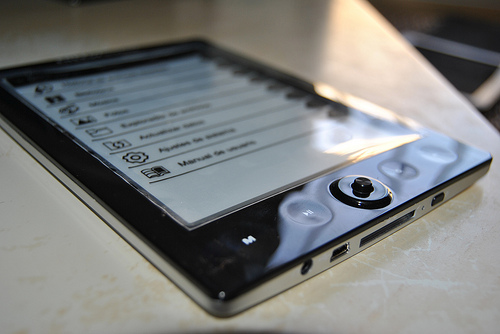
 While these strong numbers are promising for the e-reader movement, yet another report reveals that many American consumers refuse to give up their hard-covers and paperbacks. Verso Digital’s “2011 Survey of Book-Buying Behavior,” indicates that half of all readers don’t intend to buy an e-reader, and even those who do have e-readers are continuing to buy both print and digital books.
How can this be? Doesn’t the average American consumer want to have the immediate gratification of finding and purchasing a book from their sofa at home? What about gaining the ability to carry hundreds, even thousands of books in one lightweight, transportable device?

There must be something that analog books provide that digital books never will.
When asked why we continue to read printed books, most of us will respond that there is a certain joy we feel when turning the page of a book. Other visceral emotions can be attached to book reading, such as feeling the weight of a book in our hands, the smell of ink and paper, and the crinkling, crackling sound of a thin page. Actually reading and comprehending the content of the book is just one aspect of why we continue to include reading in our list of favorite hobbies.
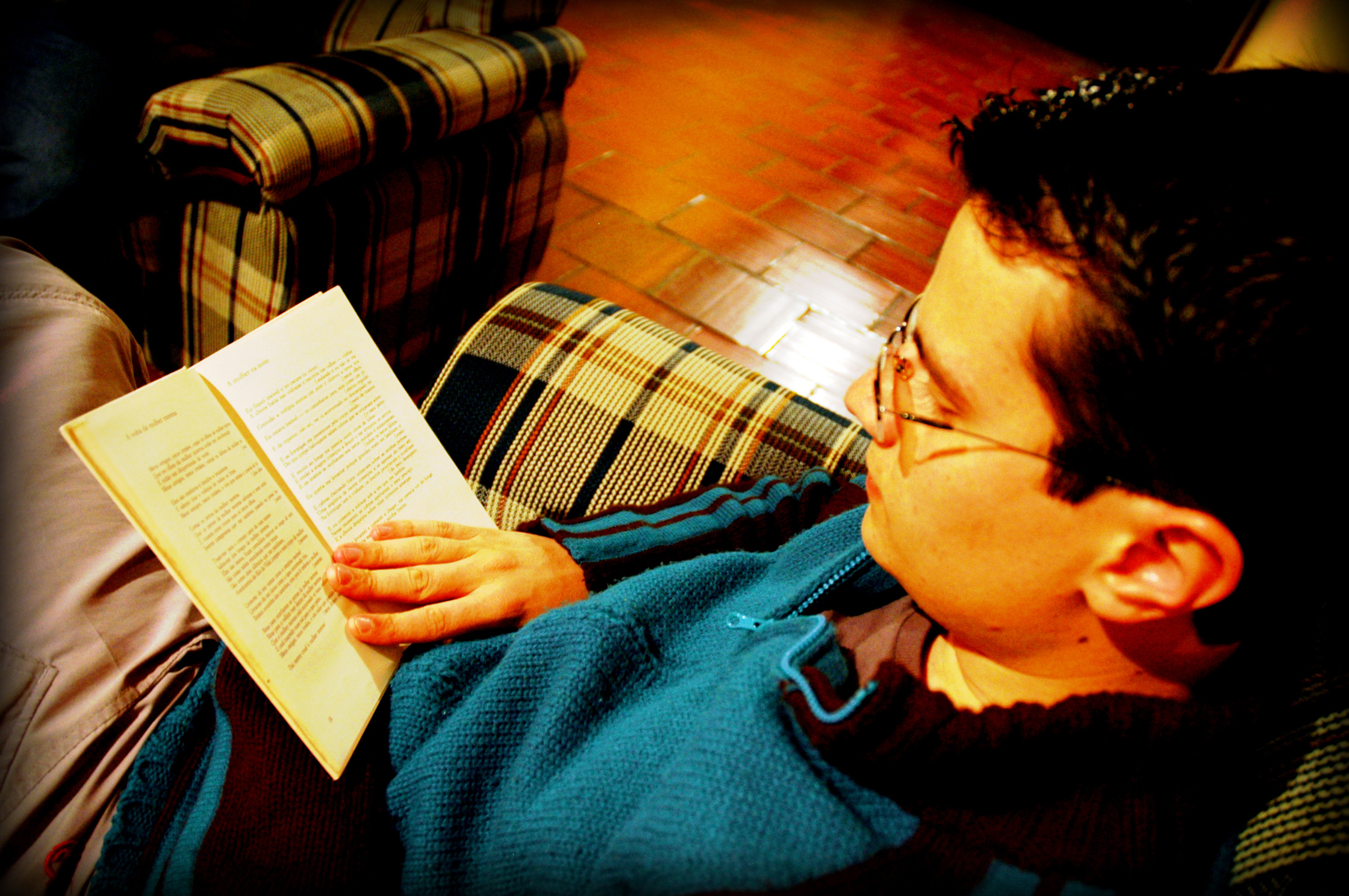 If we look at how we react to printed words from a rational, scientific approach, we’ll see a refined explanation of why our brain connects more significantly with print. We’ve talked about how the brain digests digital messages and printed messages on a direct mail piece differently; we can only assume that the same is true with printed books vs digital books.
Although e-readers like the Kindle and tablets like the iPad re-create pagination—sometimes complete with page numbers, headers and illustrations—the screen only displays a single virtual page: it is there and then it is gone. Instead of hiking the trail yourself, the trees, rocks and moss move past you in flashes with no trace of what came before and no way to see what lies ahead.
As we read physical, printed words, we find that we can better navigate the text and map the journey, making the content easier to remember. Most screen readers, tablets, and e-readers disrupt this process, taking away our brain’s native mapping cues. To better understand the practical application of this finding, a Norwegian university study proved that students performed better in a reading comprehension test when reading print vs reading digital.
While we’ve all heard talk that “print is dead” and that “everything is digital,” it seems to me that printed publications will stick around for our brain’s sake. (We can’t ignore what the brain wants, now can we?) Though shiny objects come and go, our human nature and interaction with physical books will become more apparent and we will feel as Thomas Jefferson did: “I cannot live without books.”
Bonus points: unless you are a super fast reader and are consuming more than 25 books a year, books are the more environmentally friendly choice over e-readers.
By +Maggie Young,
marc young
Interesting – now if I could just have this message in my mailbox, I’d file it – but since it’s a blog, guess I’ll just have to read it on my digital device… 🙂
Maggie Young
This is why many popular blogs create, publish, and print books!