
Information is the raw material behind target marketing.
With all the various channels of communication available, there are numerous ways to gather data on potential customers. Information can be gathered on the Internet, mobile applications, social media, and print. With all these modes of gathering information, however, problems arise. Information gathered socially, for instance, is inherently qualitative. Consumers can flood your database with reports that don’t have any actionable information. With data being cheaper to store than it once was, organizations tend to ignore the filtering process. This means that their data storage system has exploded to an overwhelming degree. With so much data, there is the danger of not being able to listen to what the data has to say.
This is where lead nurturing makes its entrance.
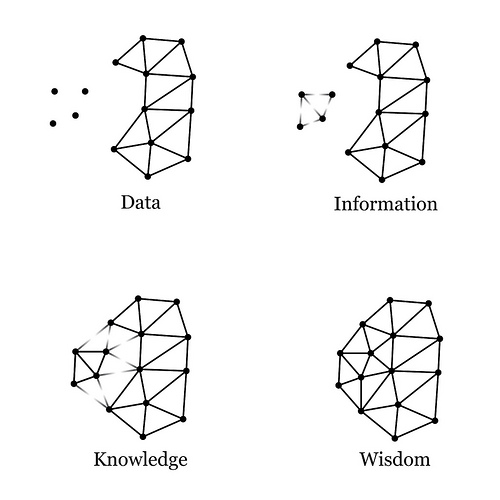
One of the basic technologies at the heart of a lead nurturing program is a centralized marketing database. It is imperative to track and monitor the type of content prospects are responding to over time. With automated systems, collection and accumulation of all customer data allows for preventative measures to big data problems. Most automated systems track email marketing, landing page conversions, and web analytics from one centralized system, giving you a complete view of all marketing activity with both prospects and customers. The benefit here is that of listening and getting the right offer to the right person at the right time. Also, this data gives you a centralized view of exactly who your customers are.
The one step that an automated system does not control for you is cleaning your data. You should eliminate wrong addresses, expired emails and phone numbers and merge duplicates on a regular basis. While the process of moving all storage units of data to one centralized system, including your CRM, may seem daunting, the benefits of reigning in the power of your stores of data will be immense.

Comment (1)